Sludge and Solids Treatment in Industrial Wastewater Processes
Generation and Separation in the Wastewater Treatment Process
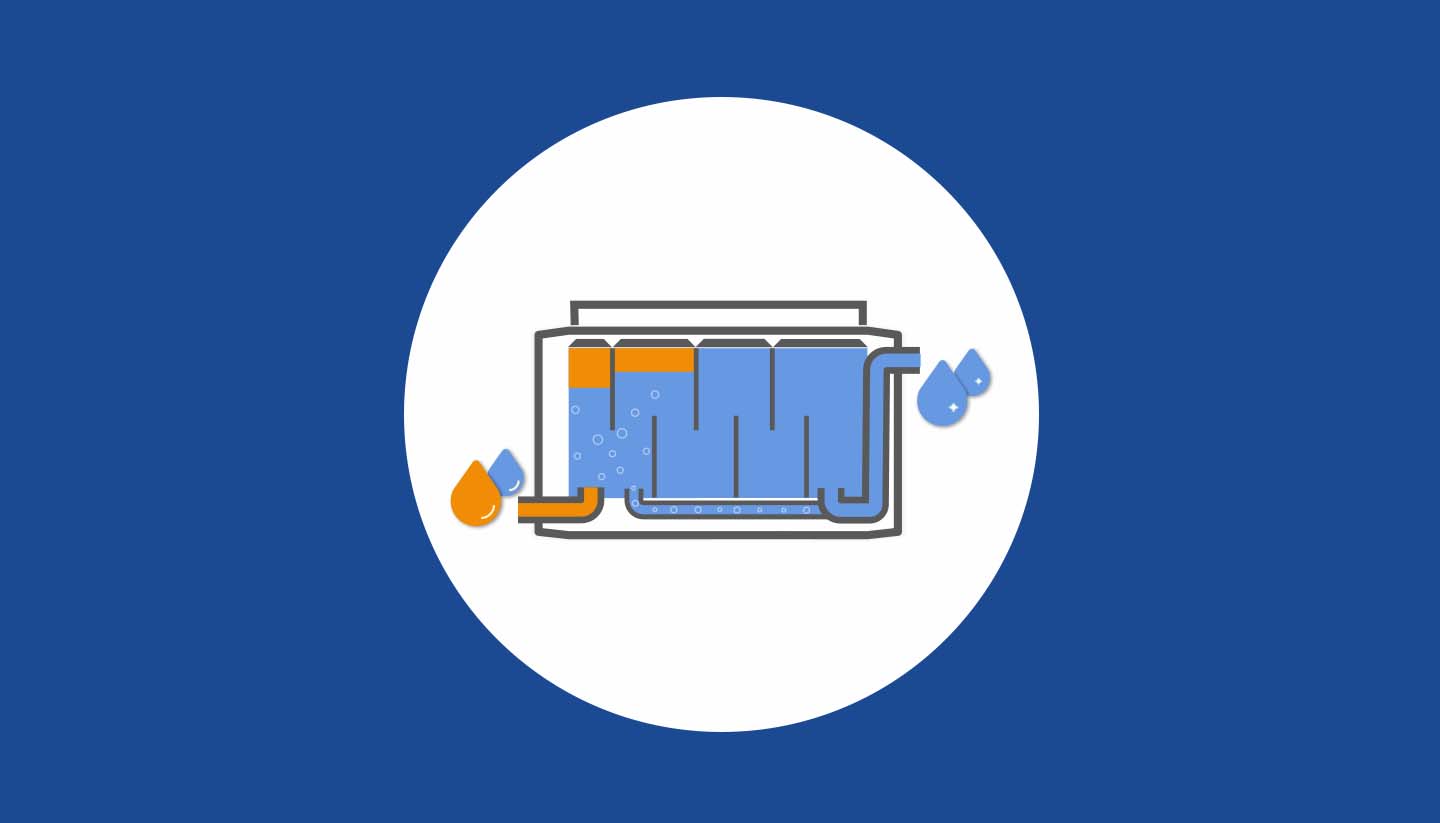
Sludge and solids are generated in industrial wastewater treatment systems as a result of physical, chemical and mechanical separation processes. These materials are separated from the wastewater stream and form a distinct material fraction that requires targeted further treatment.
The characteristics of these fractions depend directly on the wastewater composition and the preceding treatment stages. They therefore have a direct impact on the stability of the overall treatment process.
OKO-tech Solutions for Sludge and Solids Treatment
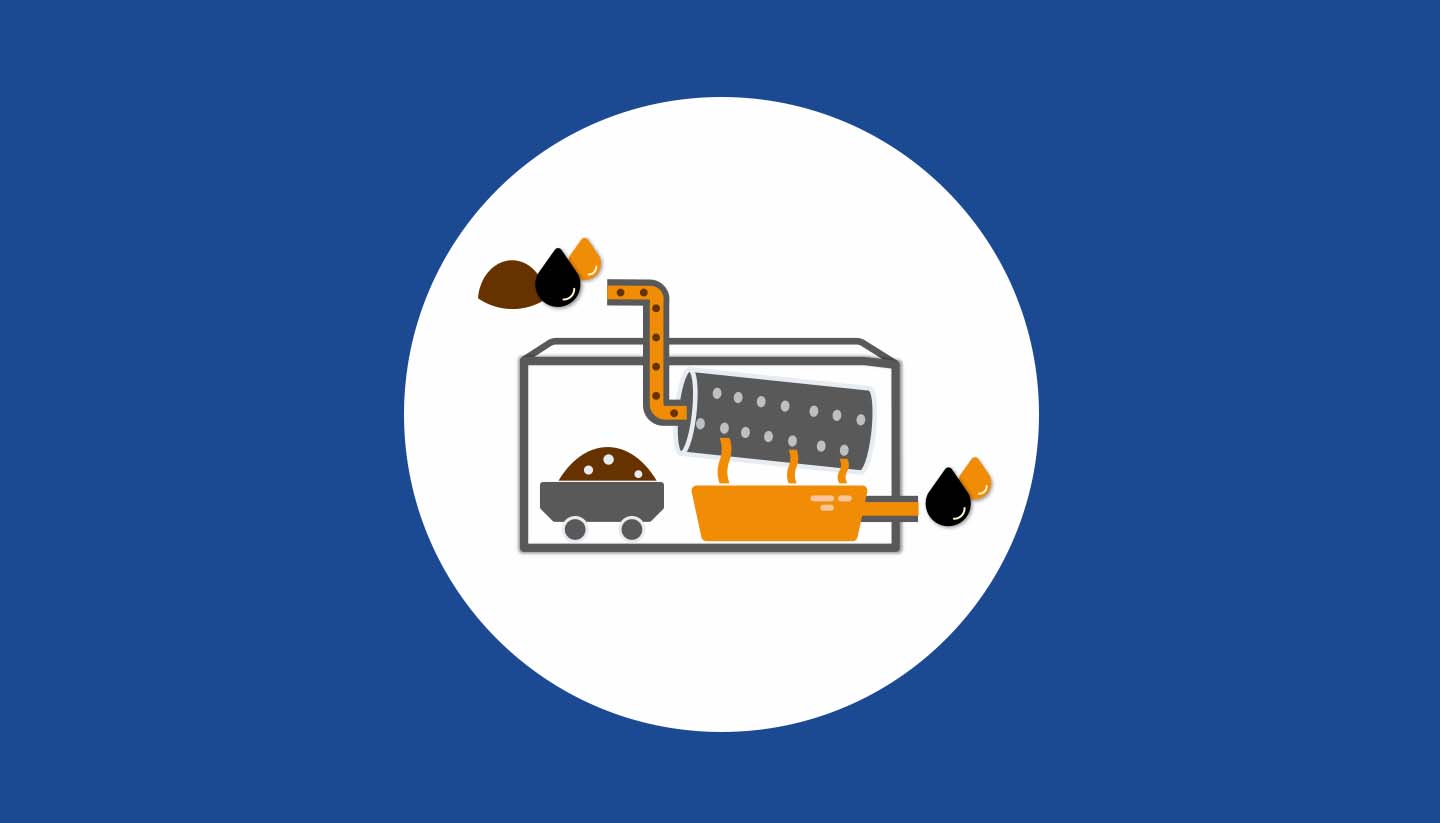
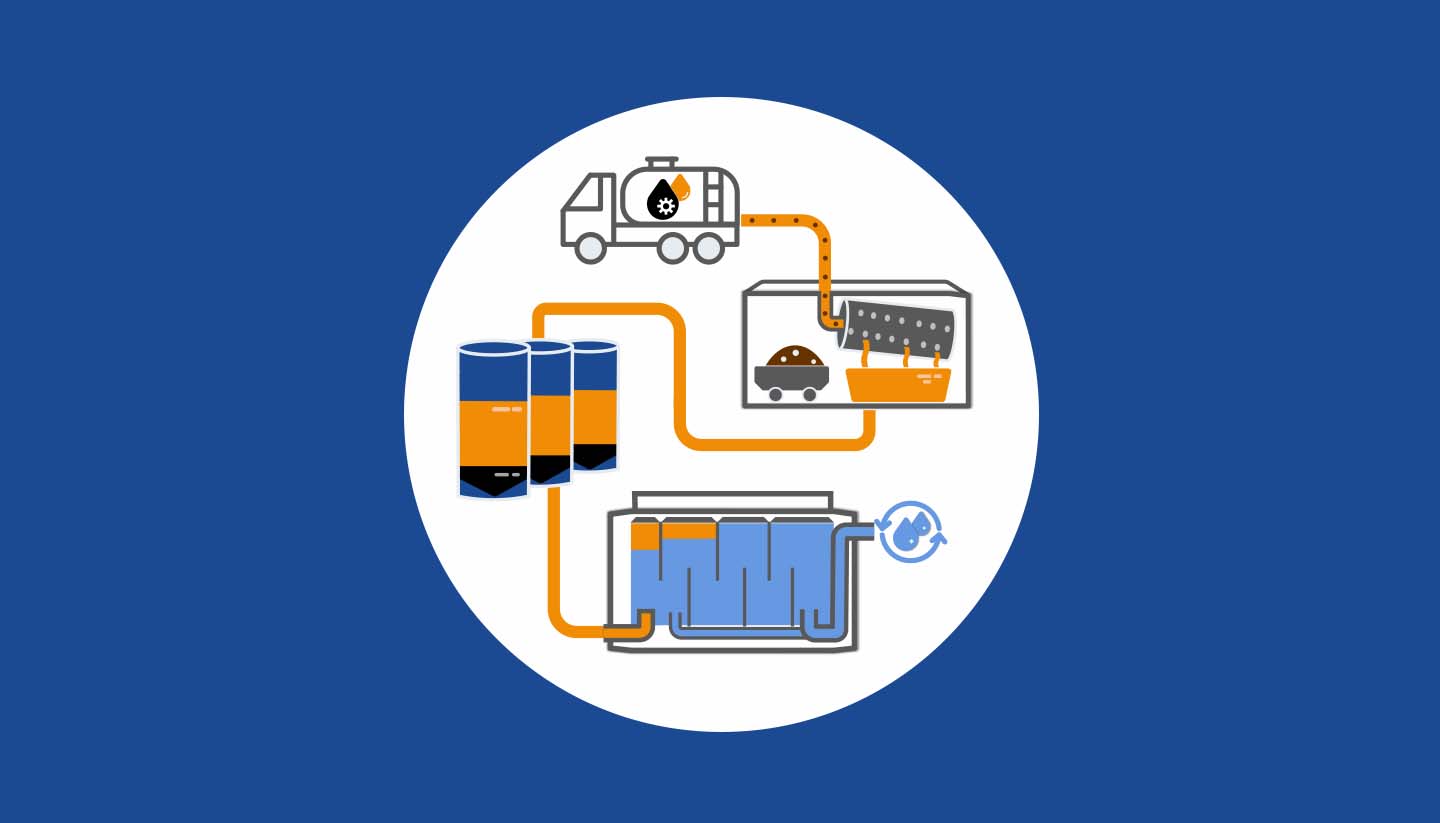
OKO-tech systems for sludge and solids treatment are designed to efficiently process these material streams within industrial wastewater treatment processes. Mechanical, physical and process-engineering steps are combined to enable reliable dewatering and sludge conditioning.
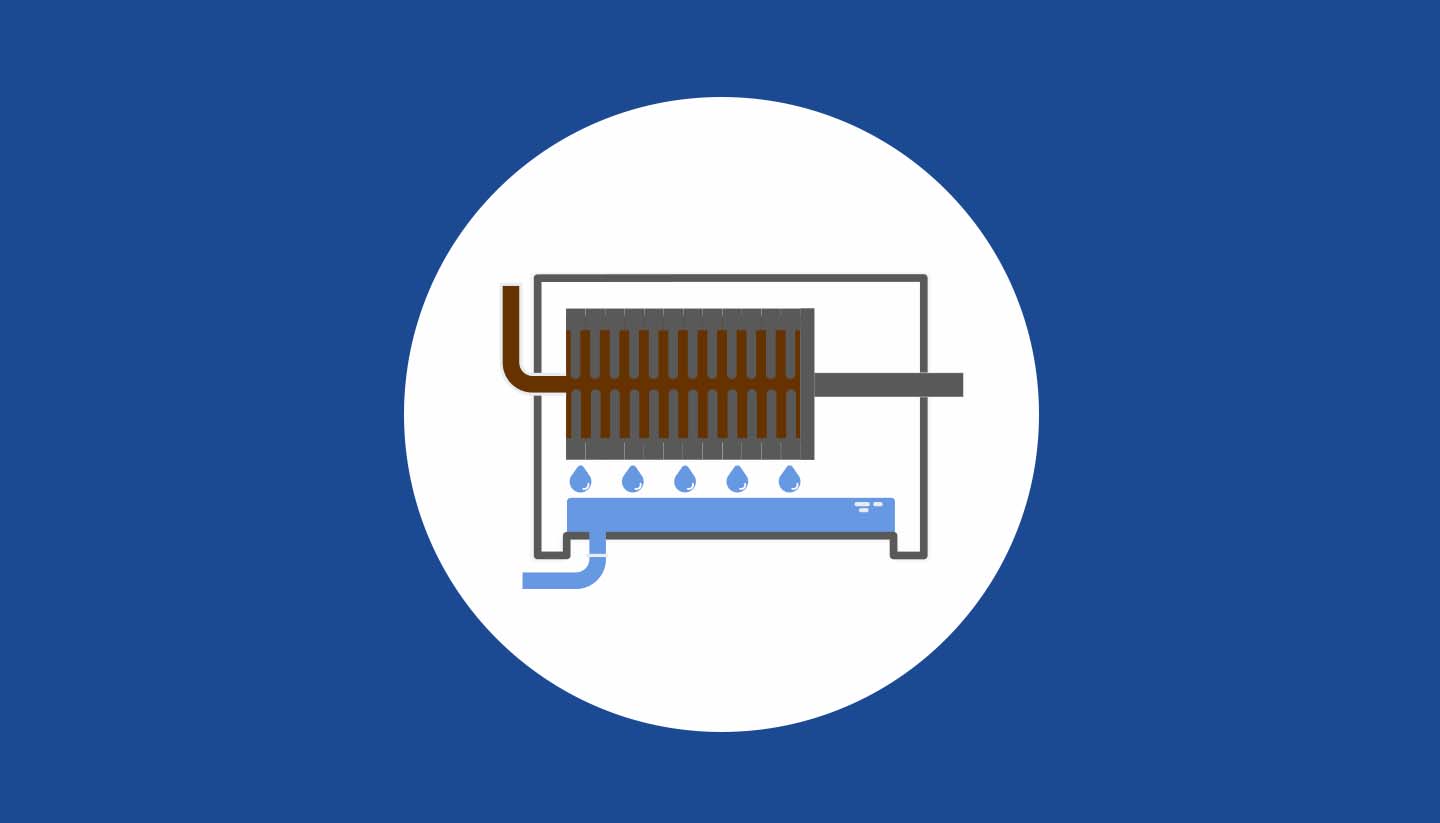
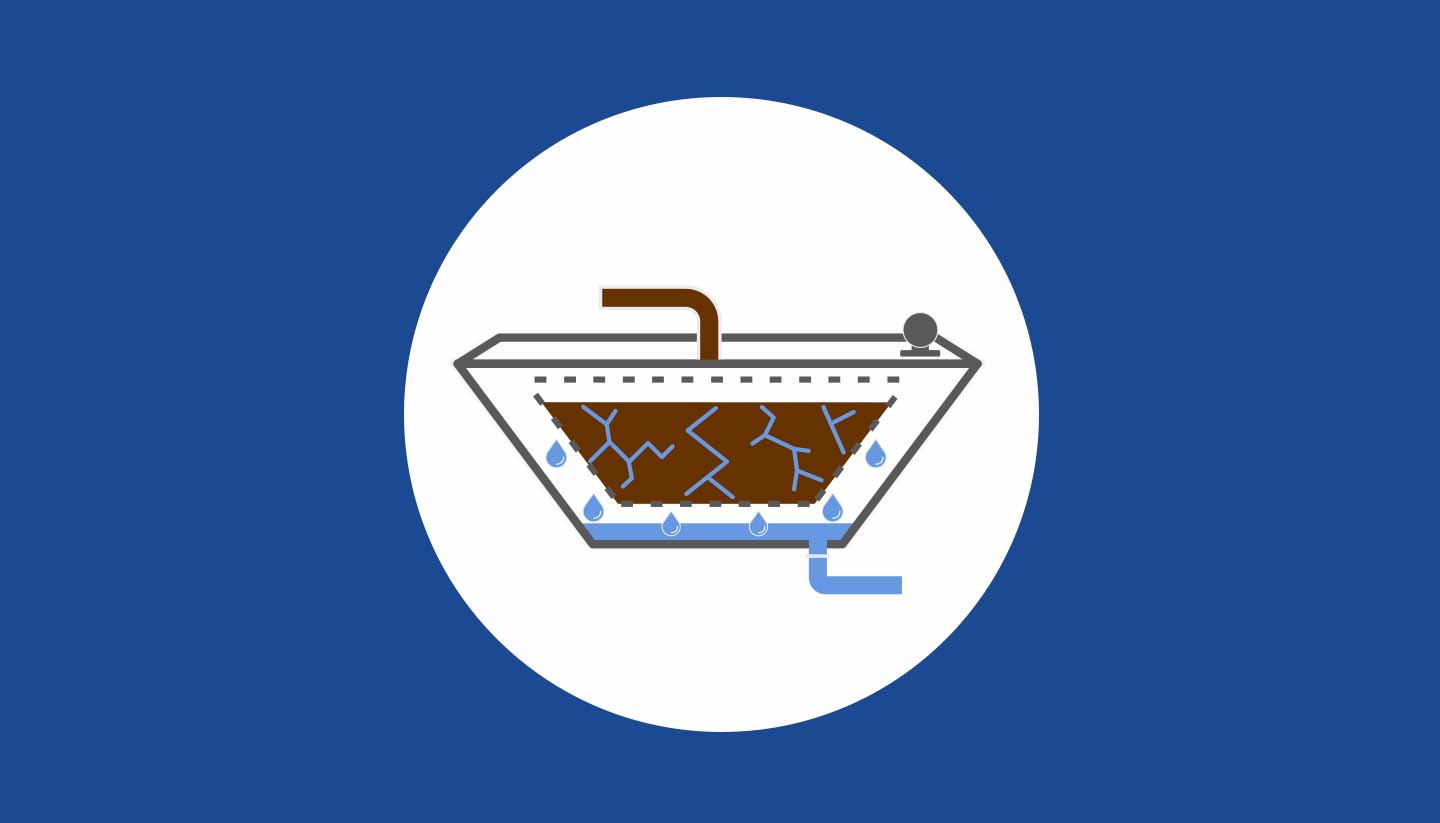
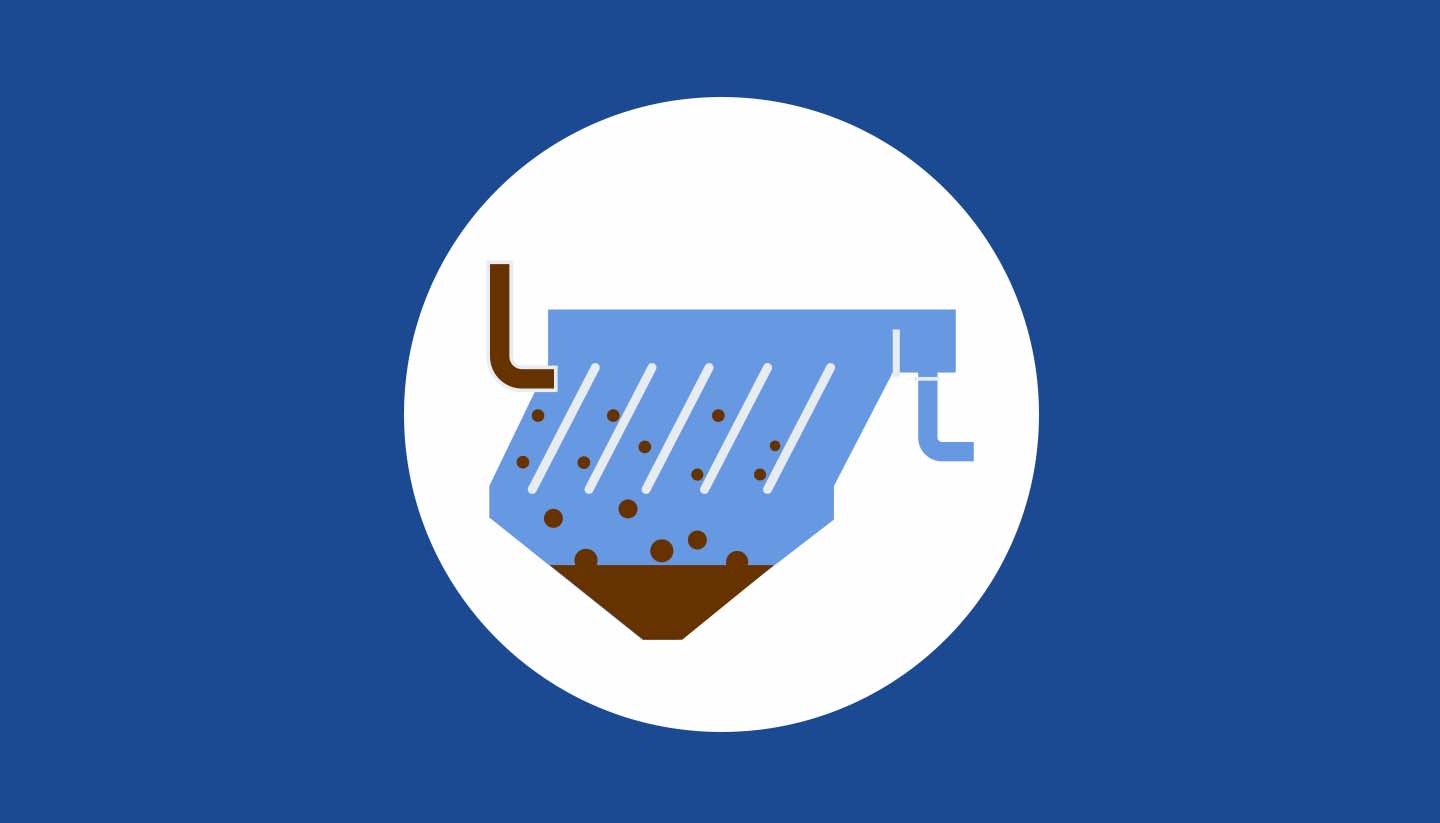
Depending on the application, technologies such as chamber filter presses, lamella clarifiers, dewatering containers and modular treatment units can be used. The technologies are selected based on the specific process conditions and the characteristics of the solids.
Mechanical Dewatering and Volume Reduction
Separated sludge is mechanically dewatered to reduce its water content in a targeted manner. This significantly reduces transport volumes and the associated disposal logistics.
Suitable process combinations enable reliable separation of the liquid phase even under changing industrial load conditions.
Sludge Conditioning Before Dewatering
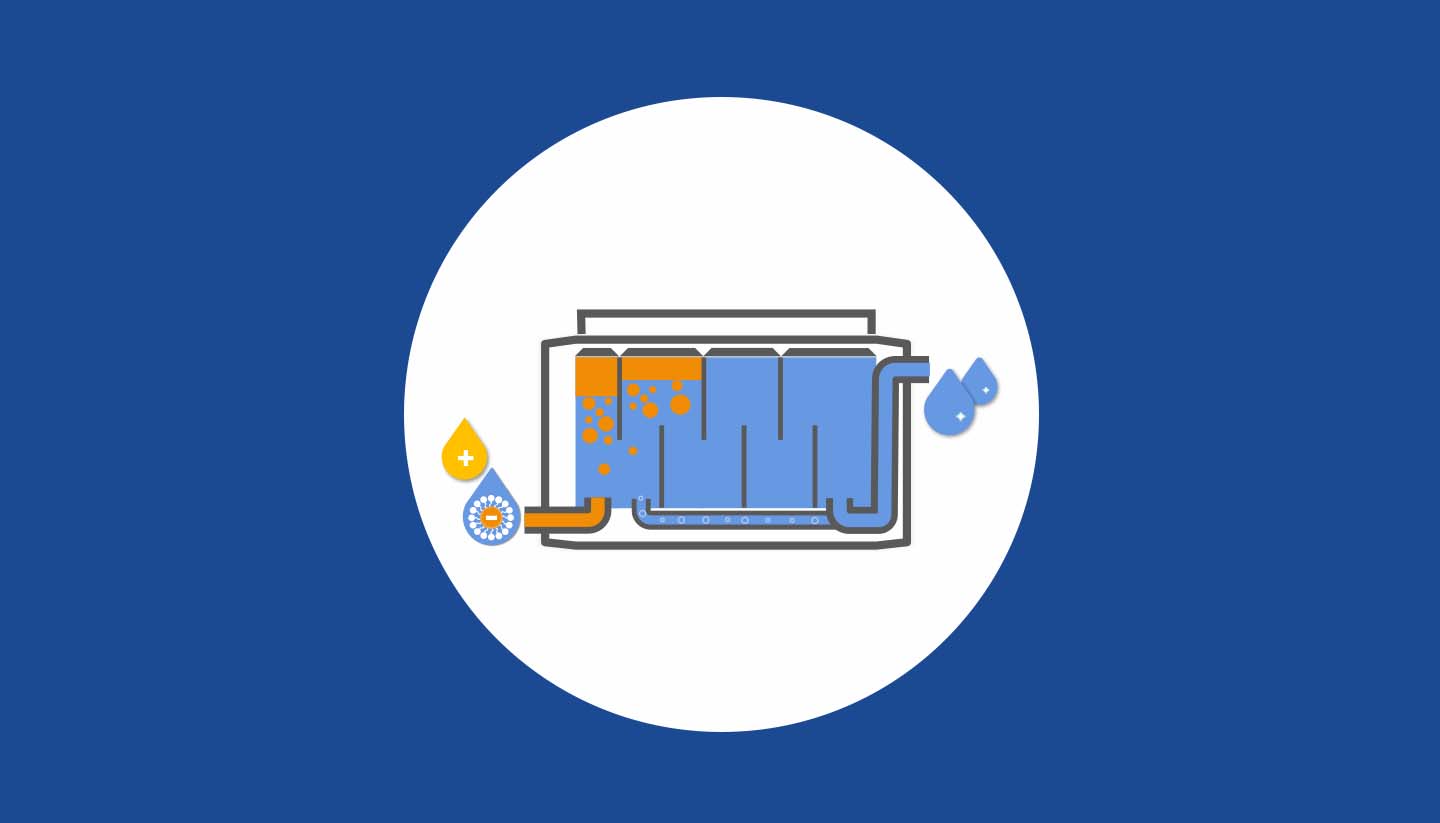
Before mechanical dewatering, targeted sludge conditioning can be applied to improve the separation characteristics of the solid and liquid phases. This supports stable operating conditions in the subsequent dewatering stage.
The conditioning process is designed according to the specific wastewater composition as well as the material characteristics and process requirements of the treatment system.