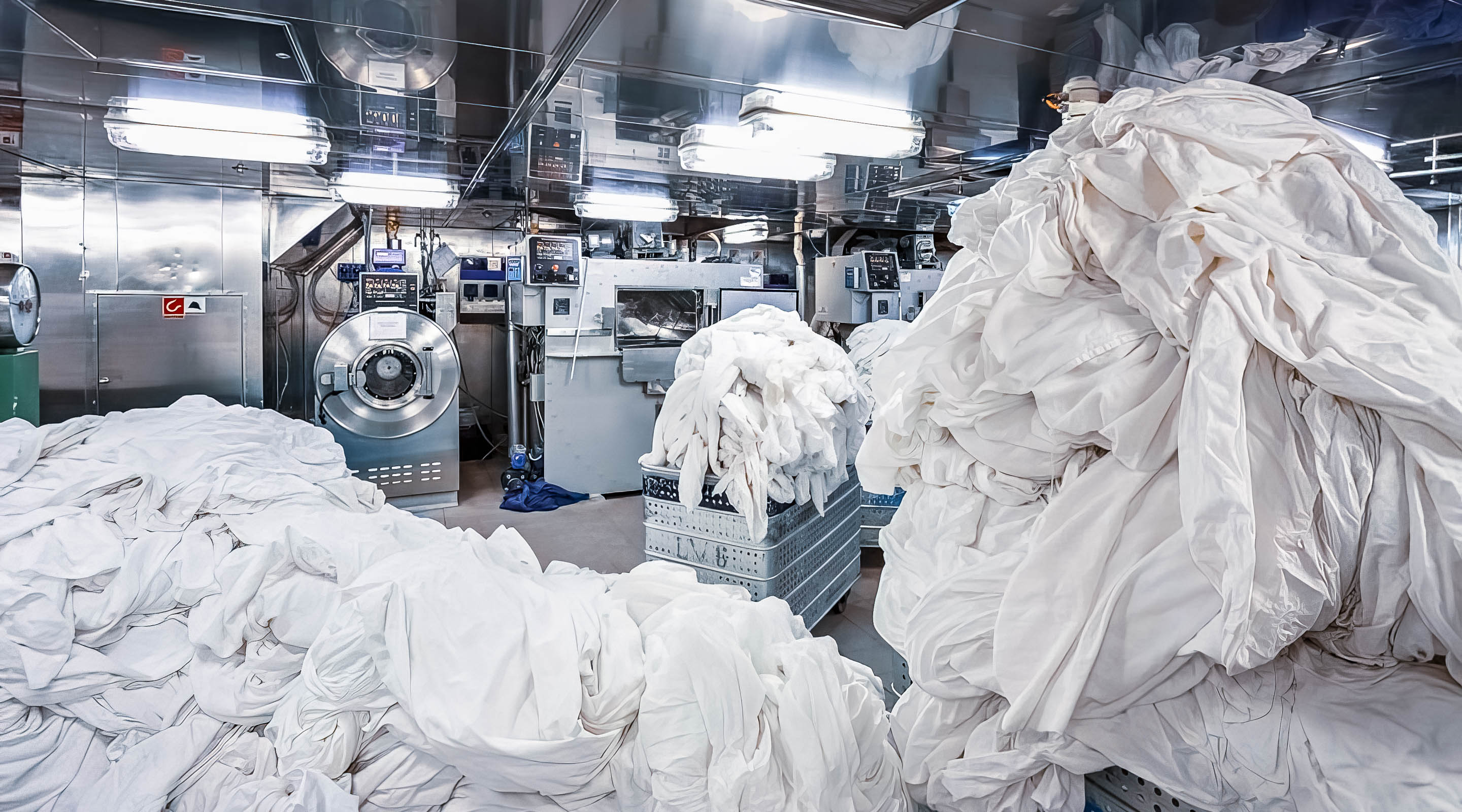
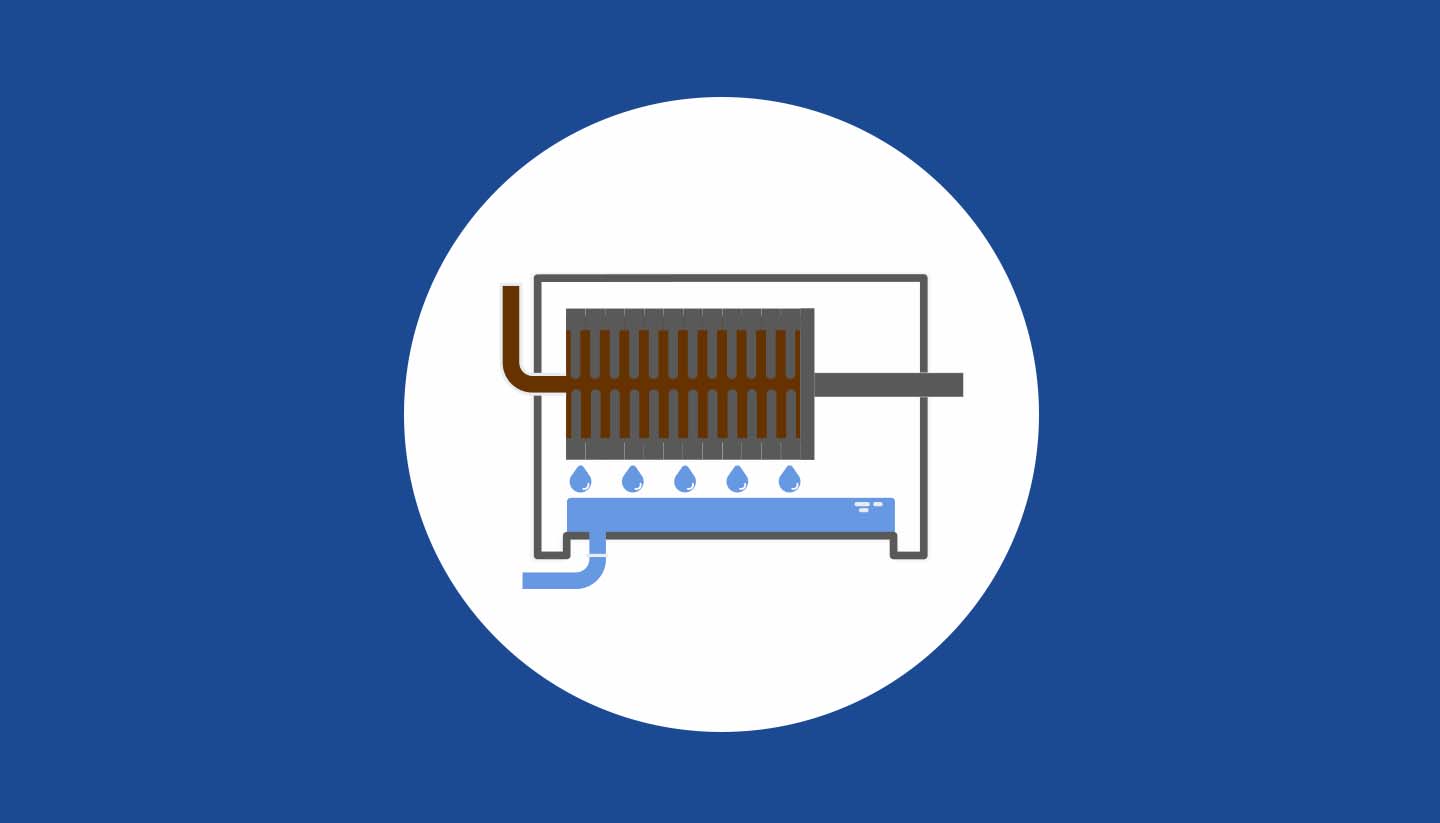
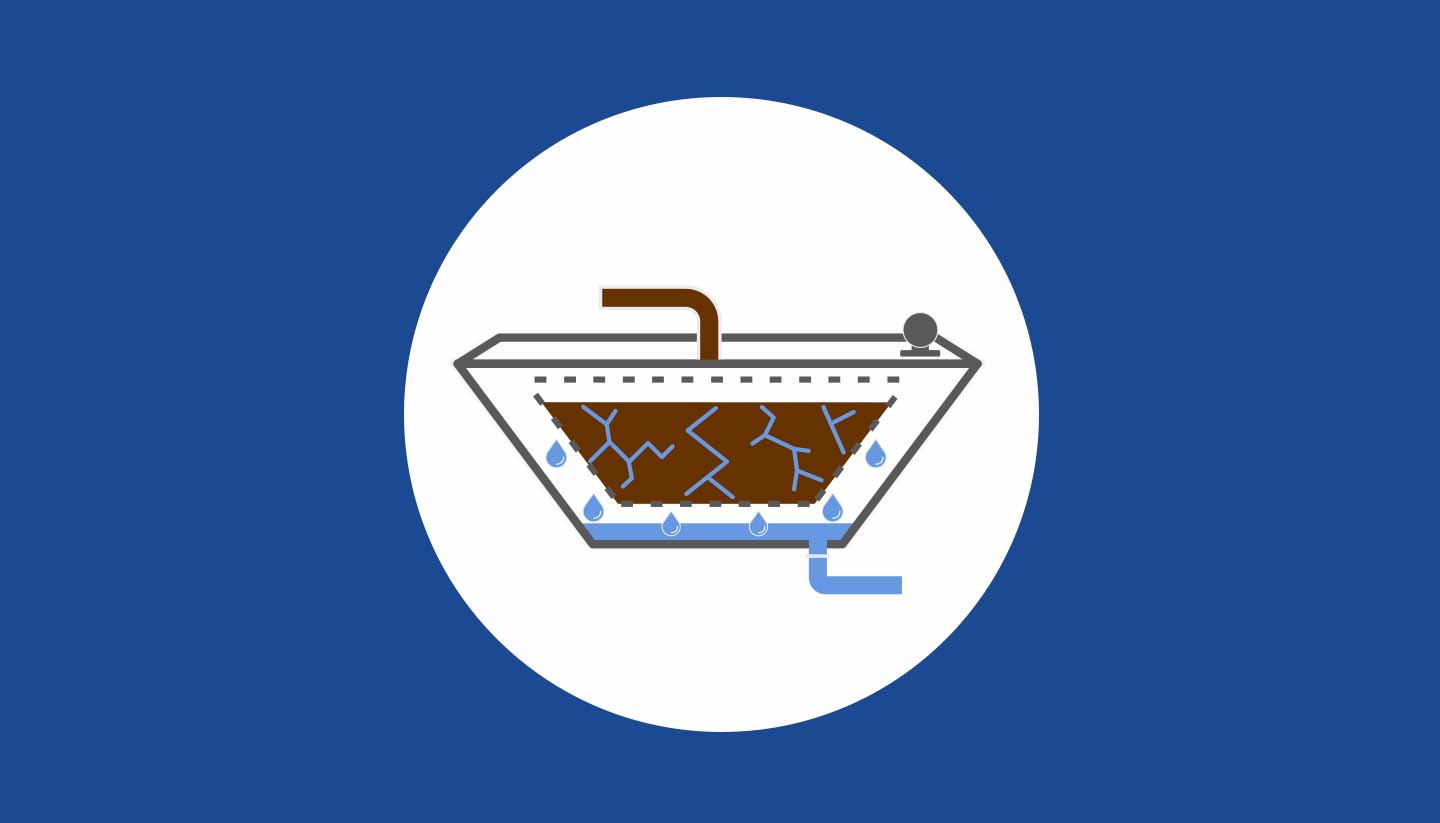
Wastewater treatment for textile care is an integral part of operational processes for the controlled treatment of washing and process wastewater. Commercial laundries clean large quantities of textiles every day, including clothing, bed linen, towels and floor mats. Clothing and work mats from the metalworking industry, automotive workshops and printing facilities can be particularly contaminated. They may contain oil and grease residues, paint and ink residues as well as metal particles.
In addition to general contamination from dirt and lint, fats, oils, dyes and heavy metals can therefore enter the wastewater. Without targeted treatment, this water may not be suitable for reuse or discharge in accordance with applicable requirements.
Effective Flotation for Wastewater Treatment in Textile Care
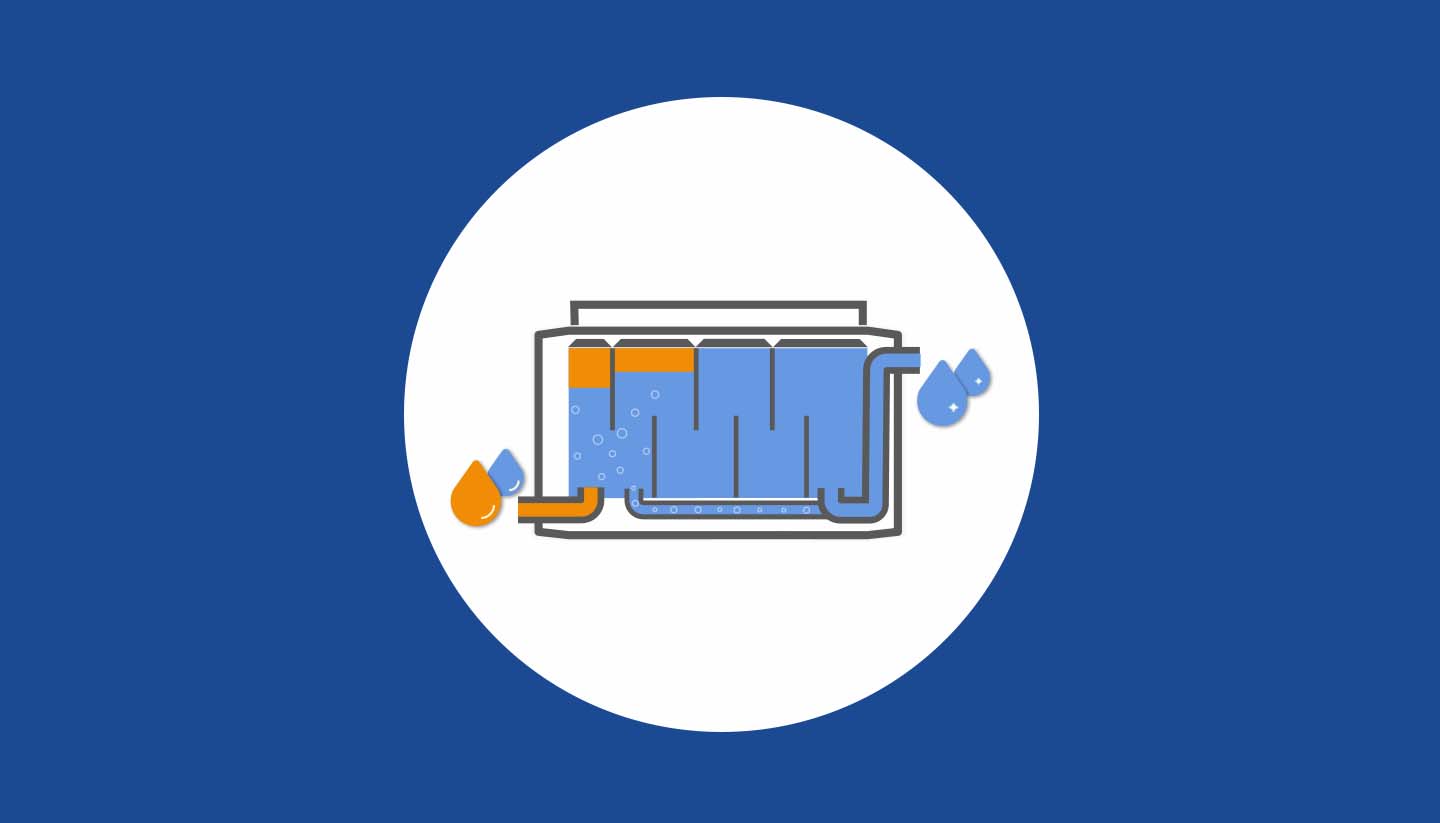
With OKO-aquaclean Flotation Systems, OKO-tech enables the targeted separation of fats, oils, colourants and lint from wastewater streams. The systems continuously and automatically separate these substances from the water while operating with optimised energy consumption. Flotation can also separate finely dispersed and emulsified substances, helping to achieve the required wastewater quality for discharge or, where suitable, water reuse.
Heavy Metal Precipitation for Improved Treated-Water Quality
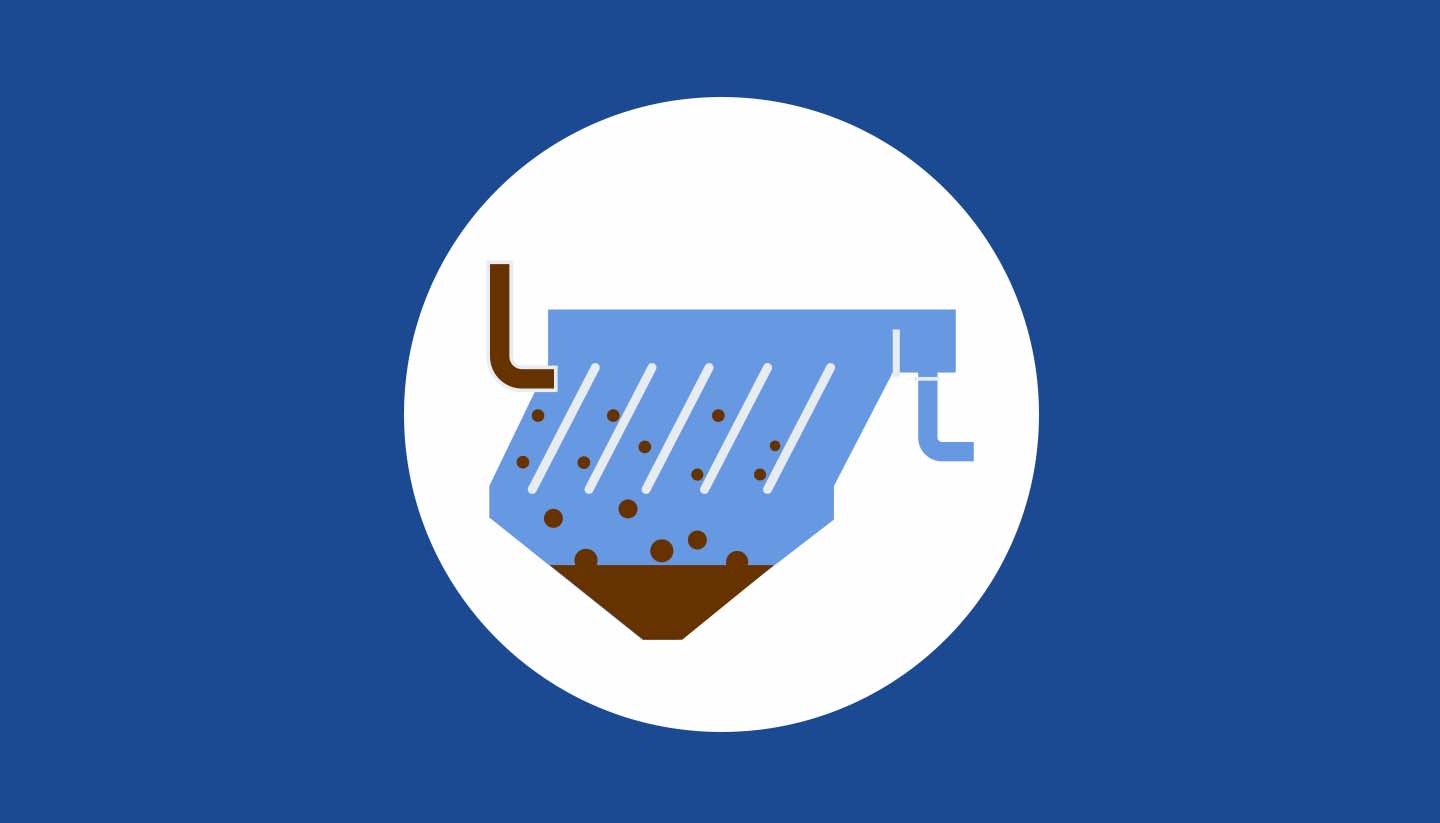
Depending on the origin of the textiles being washed, commercial laundry wastewater may also contain heavy metals. Heavy metal precipitation can be integrated into OKO-aquaclean Flotation Systems to convert dissolved metals such as nickel, copper and lead into sparingly soluble compounds and facilitate their subsequent separation.
This supports compliance with applicable regulatory requirements while helping to protect piping systems and downstream treatment processes.
Application-Specific Wastewater Treatment for Textile Care
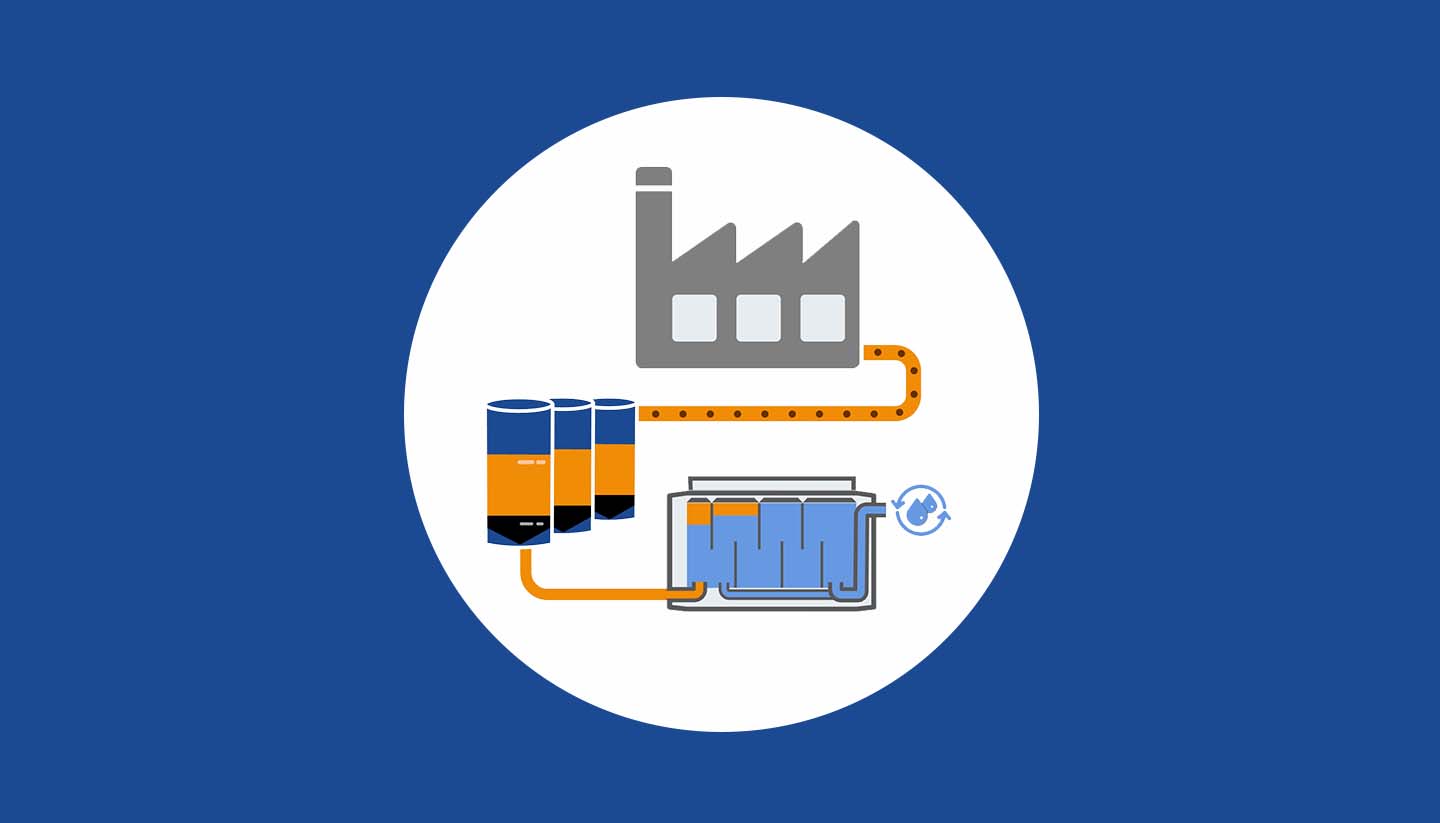
OKO-tech develops wastewater treatment concepts for textile care based on the characteristics of the respective wastewater streams. Flotation, heavy metal precipitation and mechanical solids separation can be combined to treat highly contaminated wastewater streams.
For commercial laundries, this supports stable treatment processes and can reduce the quantity of solids requiring disposal. At the same time, optimised water management can support more efficient operation and high plant availability.