Wastewater treatment for the ceramics industry is an important step in treating production wastewater effectively and in accordance with environmental requirements. The production of tiles, clinker bricks and household ceramics such as cups and plates generates wastewater containing ceramic slurry. Before indirect discharge, this wastewater generally requires treatment. The fine particles and pigments it contains are difficult to settle, making targeted treatment necessary. Treatment also generates sludge that must be properly dewatered so that the treated water can subsequently be reused or discharged in accordance with applicable requirements.
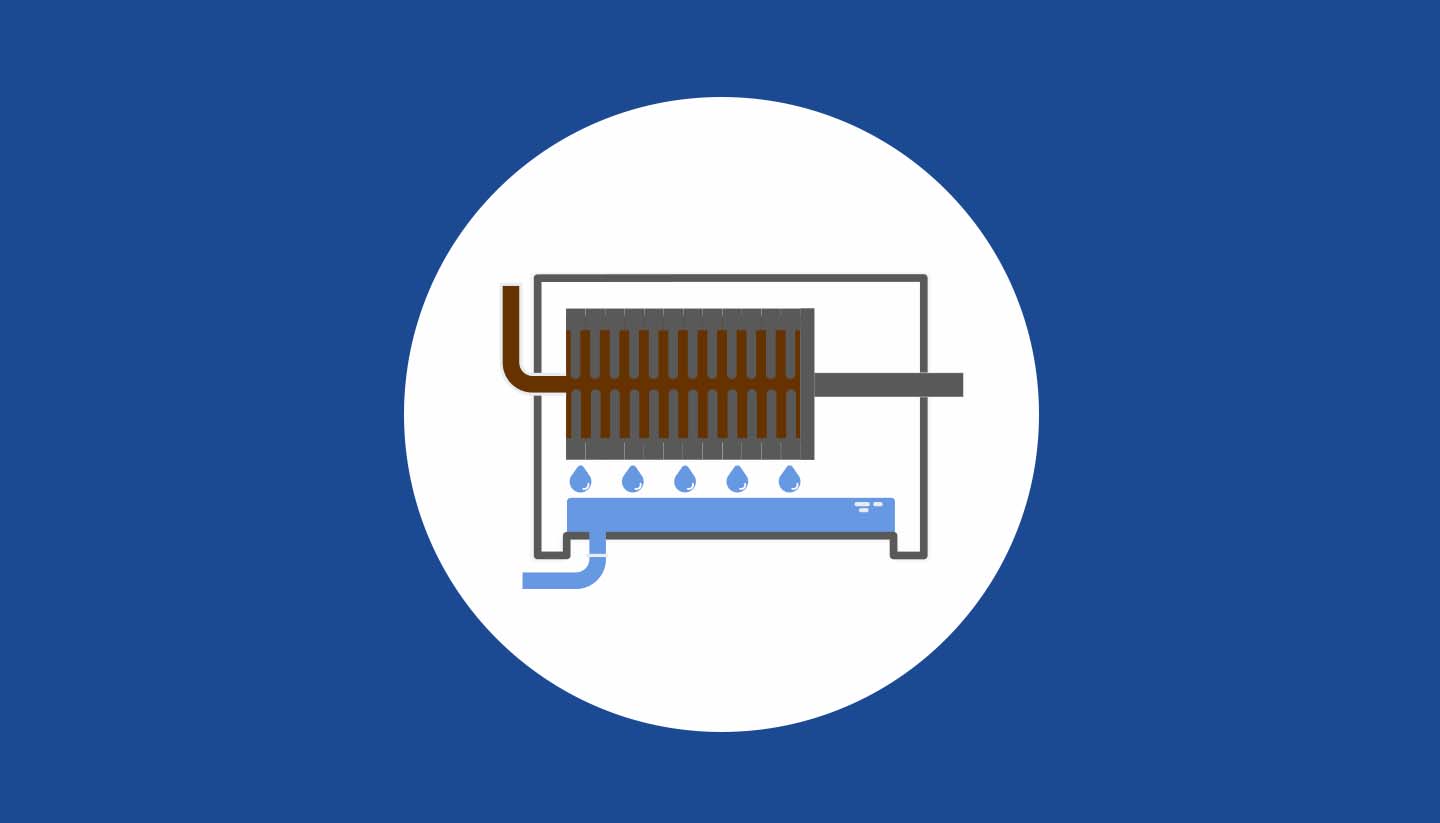
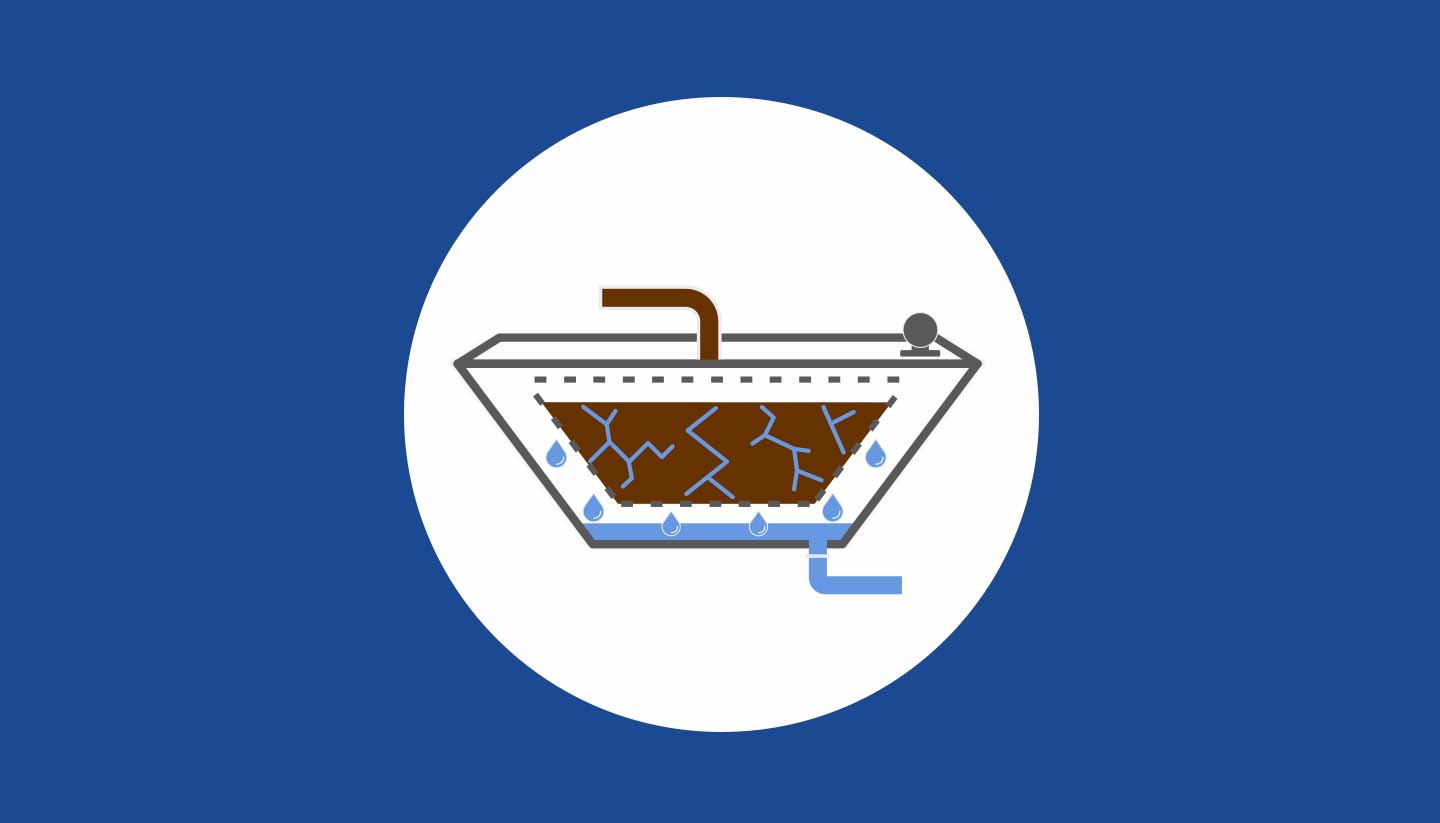
OKO-tech removes fine particles from wastewater using a compact lamella clarifier. Through a suitable coagulation process, the smallest particles are agglomerated, making them easier to separate. Depending on the quantity, the resulting sludge can be dewatered using dewatering containers or chamber filter presses. This reduces the solids content of the wastewater while supporting stable treatment processes.
Water Reuse or Discharge
Once the solids have been removed, the treated water can either be reused as process water within production or discharged in accordance with the applicable requirements. This can reduce freshwater consumption and wastewater disposal costs while supporting more resource-conscious production. OKO-tech designs wastewater treatment systems to meet the relevant regulatory and operational requirements.
Process-Specific Treatment of Ceramic Wastewater
Ceramics production generates wastewater with different characteristics depending on slurry content, pigments and production volume. We design treatment systems based on the specific requirements of each operation. Our systems combine coagulation, lamella clarification and sludge dewatering, with automated control of the treatment processes. This enables ceramics manufacturers to achieve stable wastewater treatment, lower operating costs and more resource-conscious production.